
Contractors
Pursuit support, constructability, ground-risk review and construction-stage problem solving.
Specialist geotechnical and geo-structural advisory for complex projects, pursuits and construction challenges. We help owners, contractors and engineering teams test assumptions, manage ground risk and make defensible technical decisions.
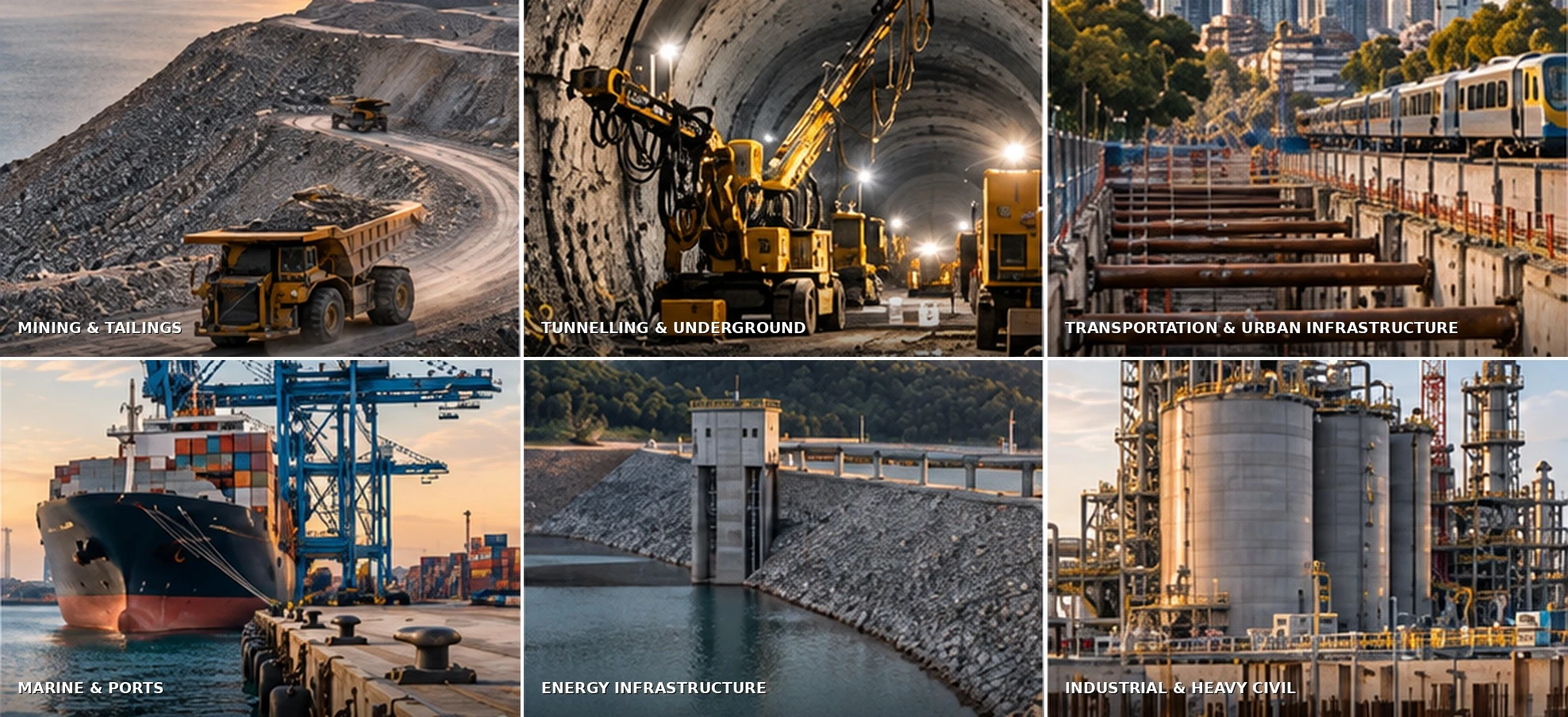
We work alongside owners, contractors and engineering teams when a critical ground issue needs additional technical depth, objective challenge or specialist capacity.
Pursuit support, constructability, ground-risk review and construction-stage problem solving.
Specialist technical advice, due diligence, design assurance and risk review for critical decisions.
Specialist capacity, peer review and advanced analysis for technically demanding work.
Senior technical input on design, assumptions, technical risk and critical decisions.
Ground-risk review, constructability and technical due diligence before major commitments.
Investigation strategy, ground models and parameter development for defensible design.
Advanced modelling of soil–structure interaction, staged construction, deformation and stability.
Liquefaction, ground response, cyclic behaviour and dynamic soil–foundation interaction.
Strategy and review for foundations, retaining systems, excavations, soft ground and improvement.
Stability, seepage, consolidation and staged loading for earth structures and mine-related ground systems.
Construction-stage support, instrumentation and observed-performance assessment to manage ground risk.
Senior technical expertise stays directly involved in the work and key decisions.
Objective challenge and second-opinion support when the consequence of a decision matters.
Rigorous engineering translated into clear, constructible recommendations.
A focused analysis, review or technical deliverable.
A second opinion on a critical design or decision.
Targeted specialist input for bids, pursuits and preconstruction.
Flexible senior specialist input as issues arise through delivery.
Tell us what decision, risk or ground issue you are facing. We will quickly determine whether specialist geotechnical input can add value.
Discuss a ProjectDecision-focused perspectives on advanced analysis, construction risk, soil–structure interaction, seismic response and difficult ground conditions.
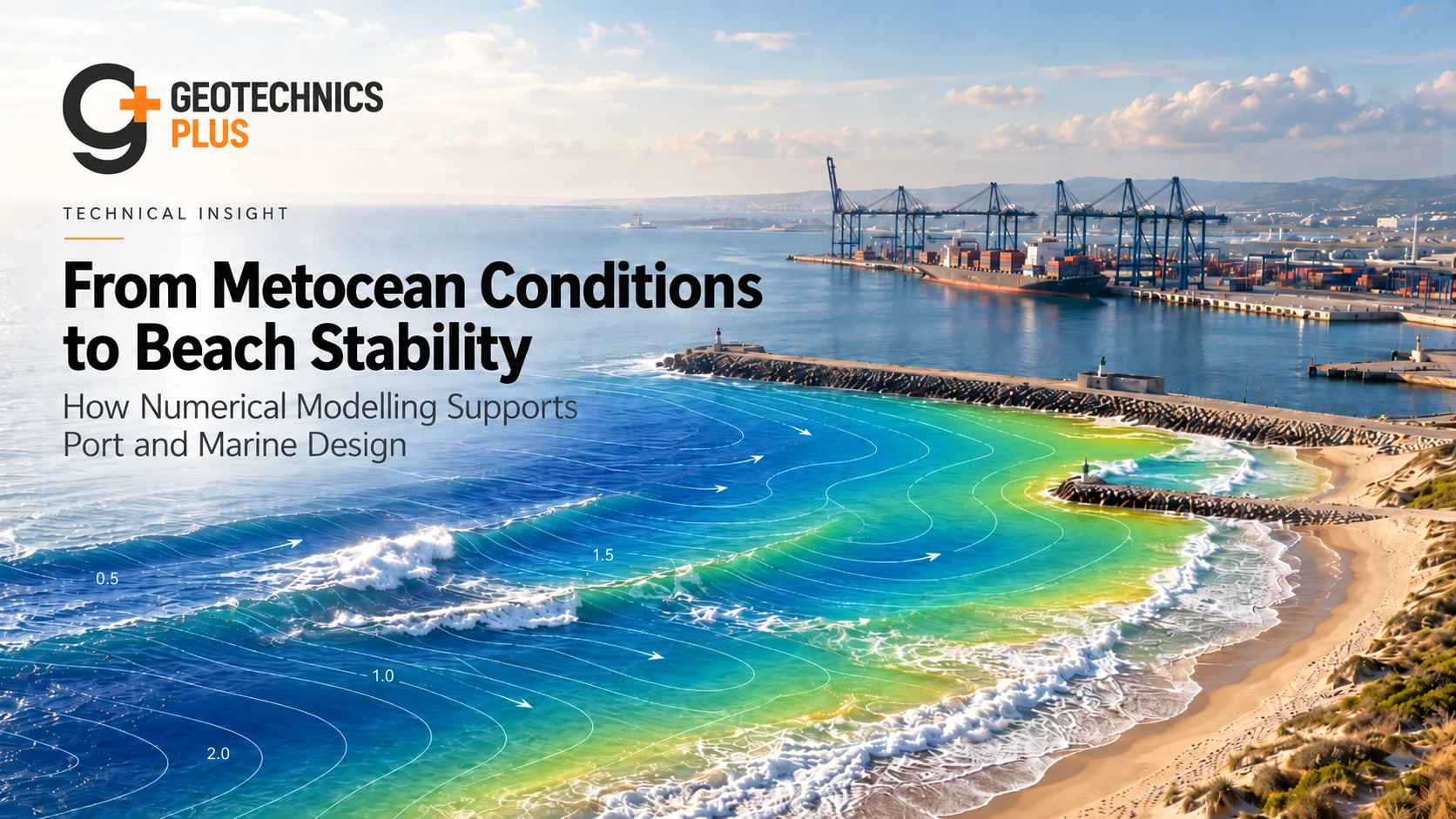
Port and marine design depends on more than an offshore wave height. Metocean conditions, water levels, wave transformation, currents, sediment transport and shoreline response must be interpreted together. This article explains how numerical hydrodynamic and coastal models support better decisions for ports, terminals, dredging, coastal protection and marine infrastructure.
Read the insight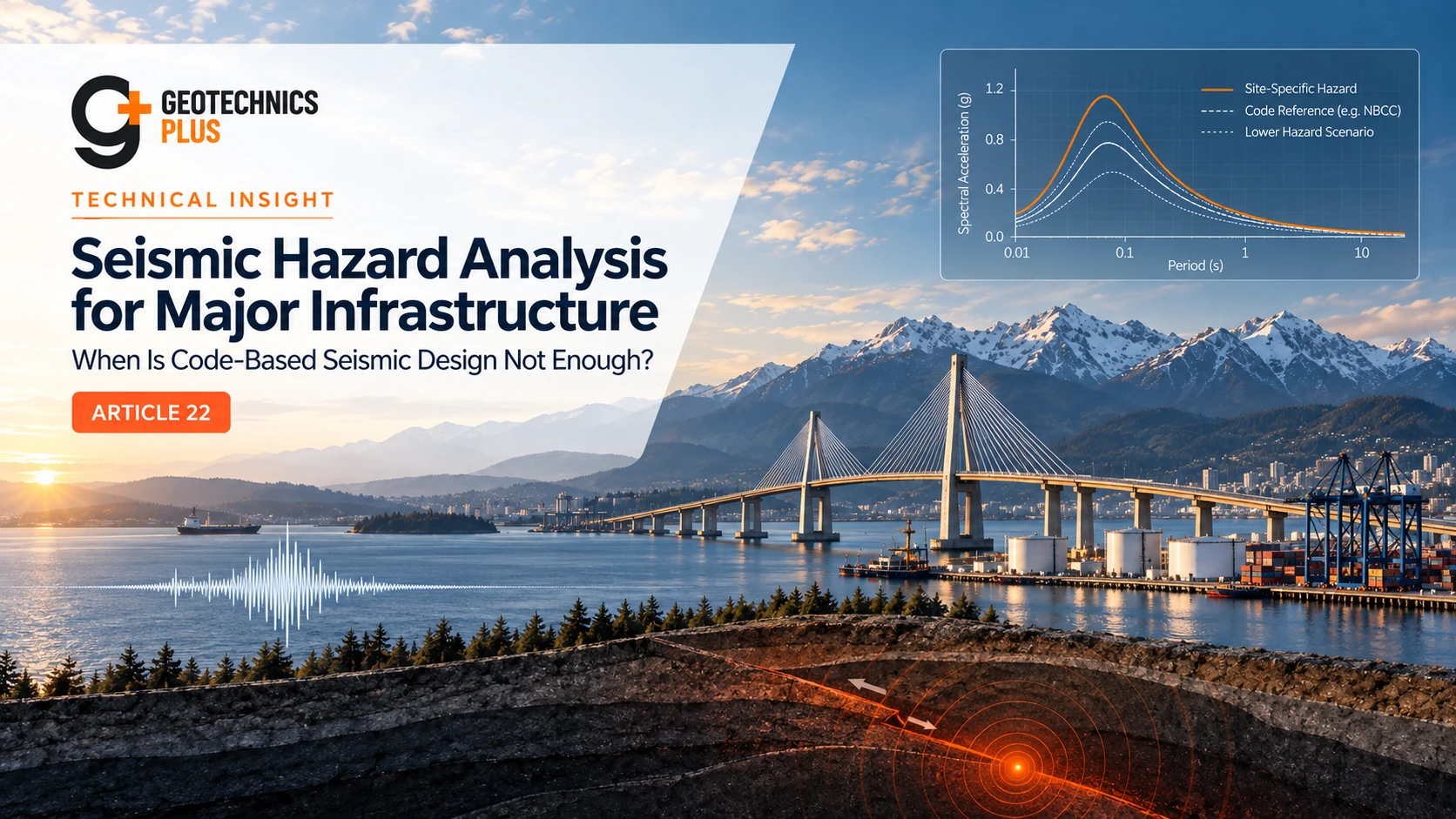
Code-based seismic parameters are sufficient for many projects, but critical or unusual infrastructure may require site-specific hazard characterization. This article explains when probabilistic and deterministic seismic hazard analyses, deaggregation, site response and project-specific design spectra become necessary.
Read insight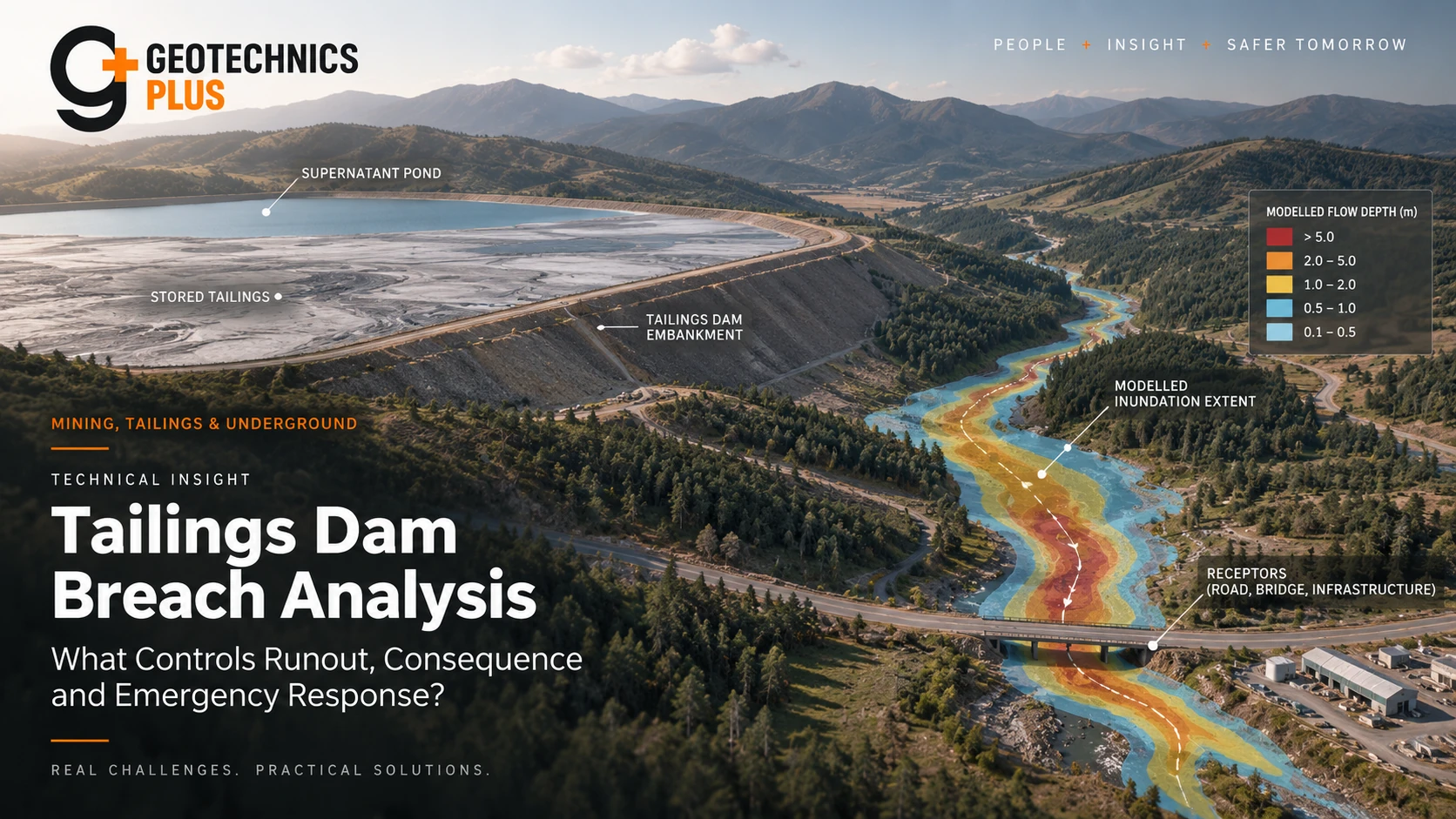
Tailings dam breach analysis should not be treated as a water-dam exercise with different material properties. Credible failure modes, stored water, liquefaction potential, tailings rheology, breach development and downstream terrain can all control runout and consequence. This article explains what should be tested, where uncertainty matters, and how breach analysis supports consequence classification and emergency preparedness.
Read insight
Construction noise monitoring should distinguish baseline conditions, source activity, receptor sensitivity, duration and applicable project criteria. This article explains how to interpret Leq and maximum levels, validate apparent exceedances, attribute sources and define practical response actions.
Read insight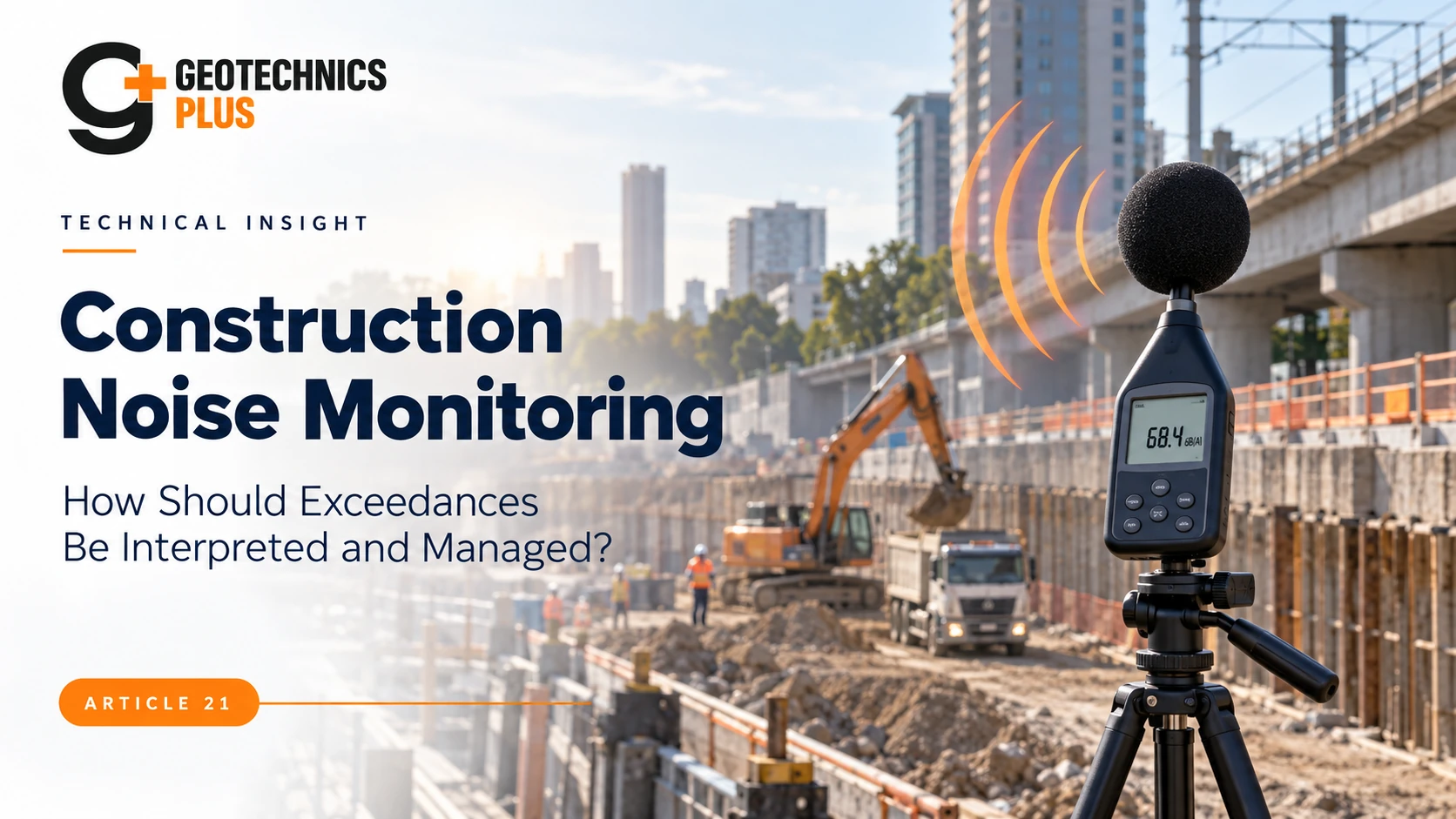
Construction vibration monitoring is most useful when measurements are tied to the source, receptor, frequency content, building condition and project-specific response criteria. This article explains how to validate exceedances, interpret PPV and frequency, and decide when engineering action is required.
Read insight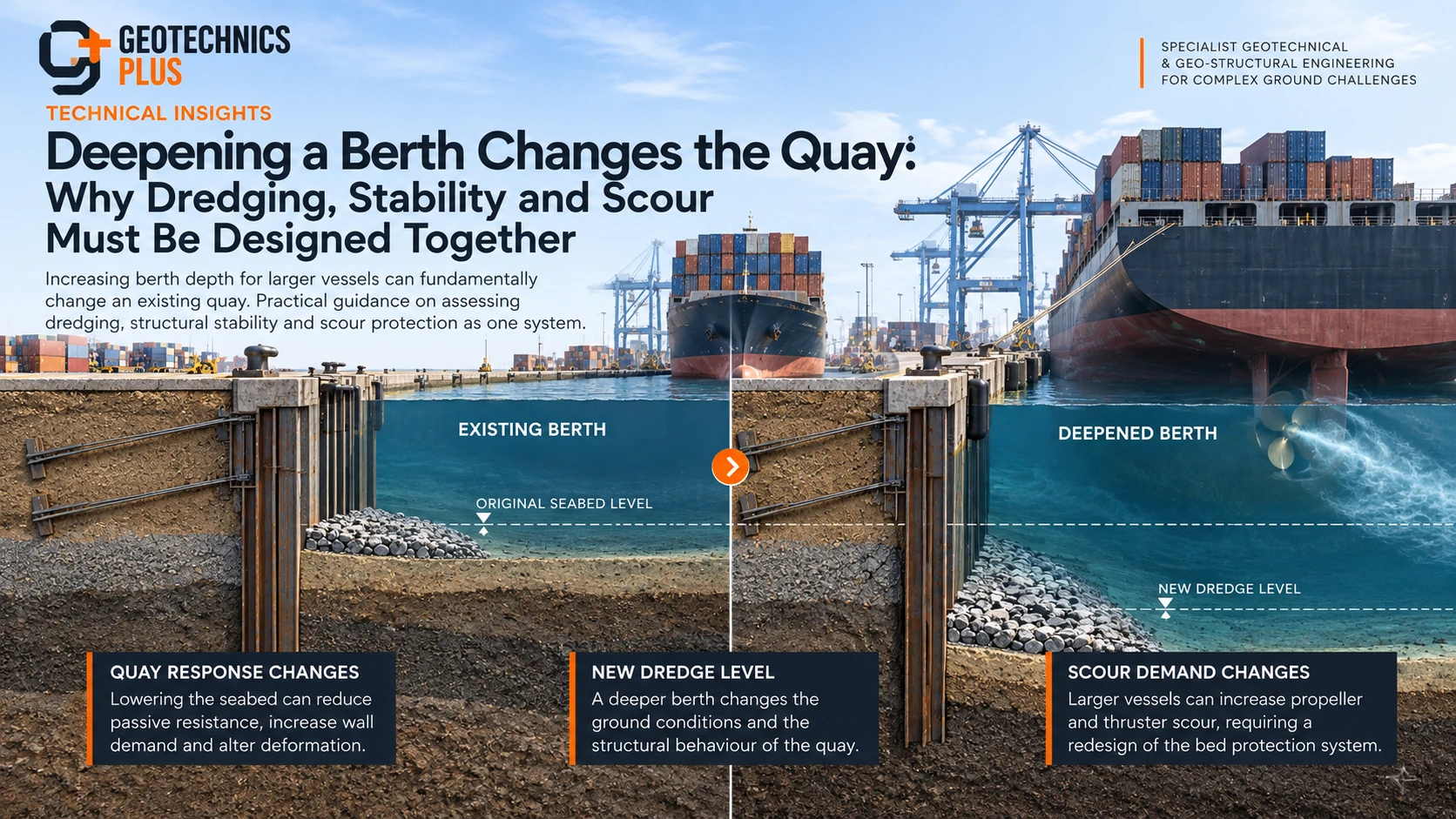
Increasing berth depth for larger vessels can fundamentally change the behaviour of an existing quay. Lowering the seabed may reduce passive resistance, increase exposed wall height and alter structural demand, while the new design vessel may simultaneously increase propeller- and thruster-induced scour. Berth deepening should therefore be assessed as an integrated geotechnical, structural and hydraulic problem.
Read insight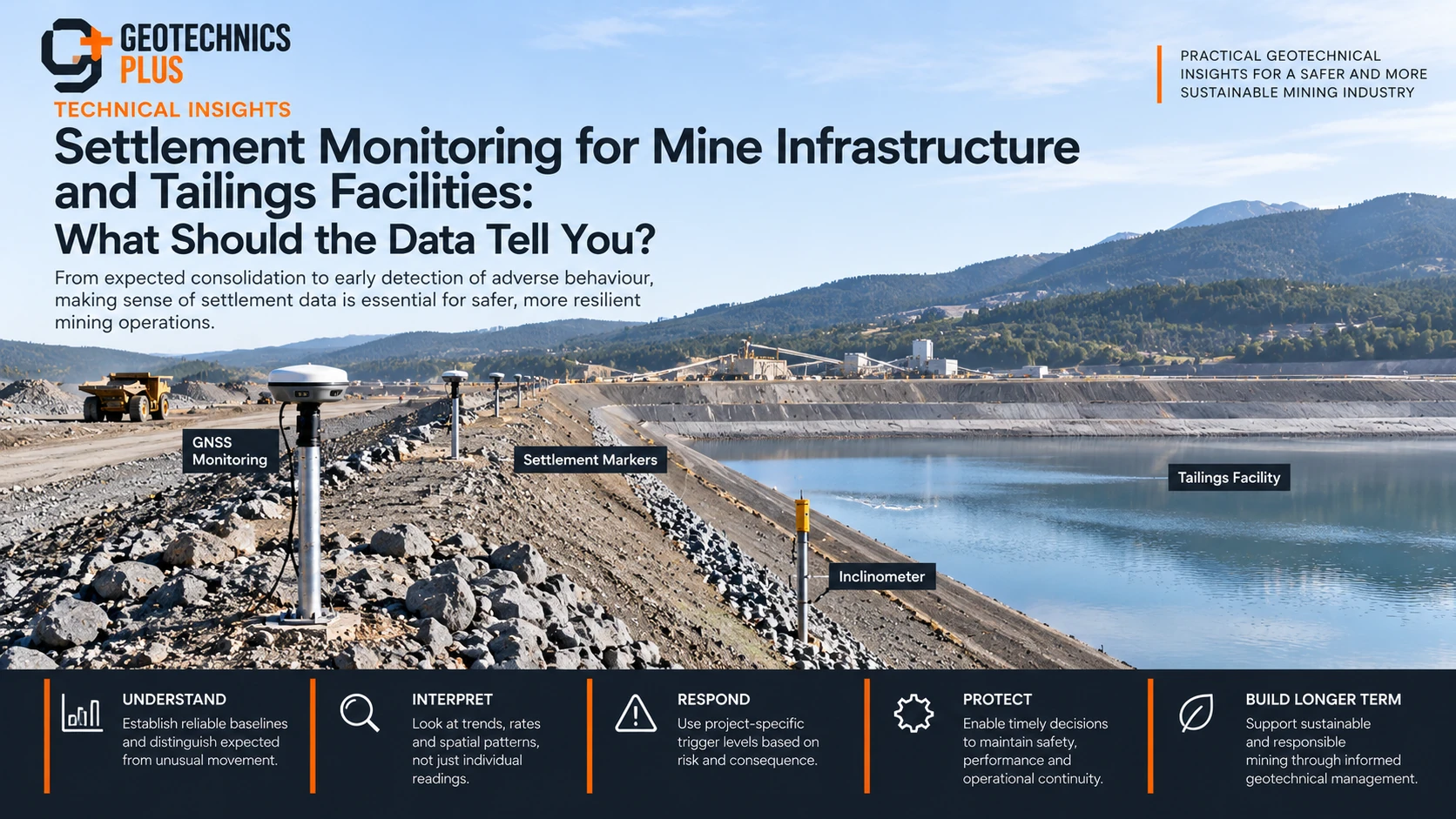
Settlement monitoring in mining is useful only when movement is interpreted against staged loading, foundation response, pore-pressure behaviour, deposition history and project-specific trigger criteria. This article explains how to distinguish expected consolidation from trends that may require engineering action.
Read insight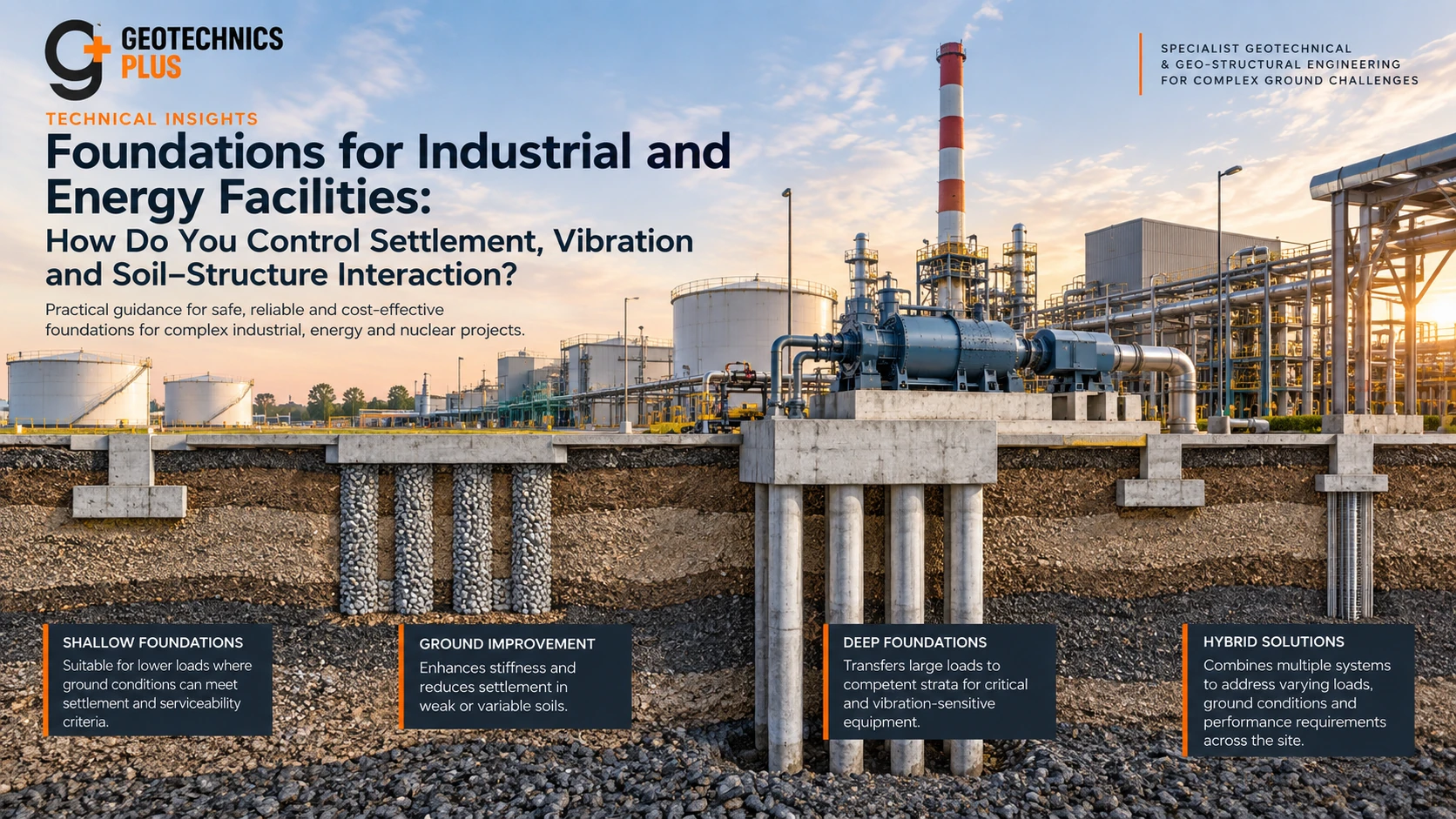
Heavy industrial and energy facilities combine large static loads, vibration-sensitive equipment, variable ground conditions and tight alignment requirements. This article explains how settlement, dynamic response, soil–structure interaction, foundation selection and construction verification should be integrated into one geotechnical performance strategy.
Read insight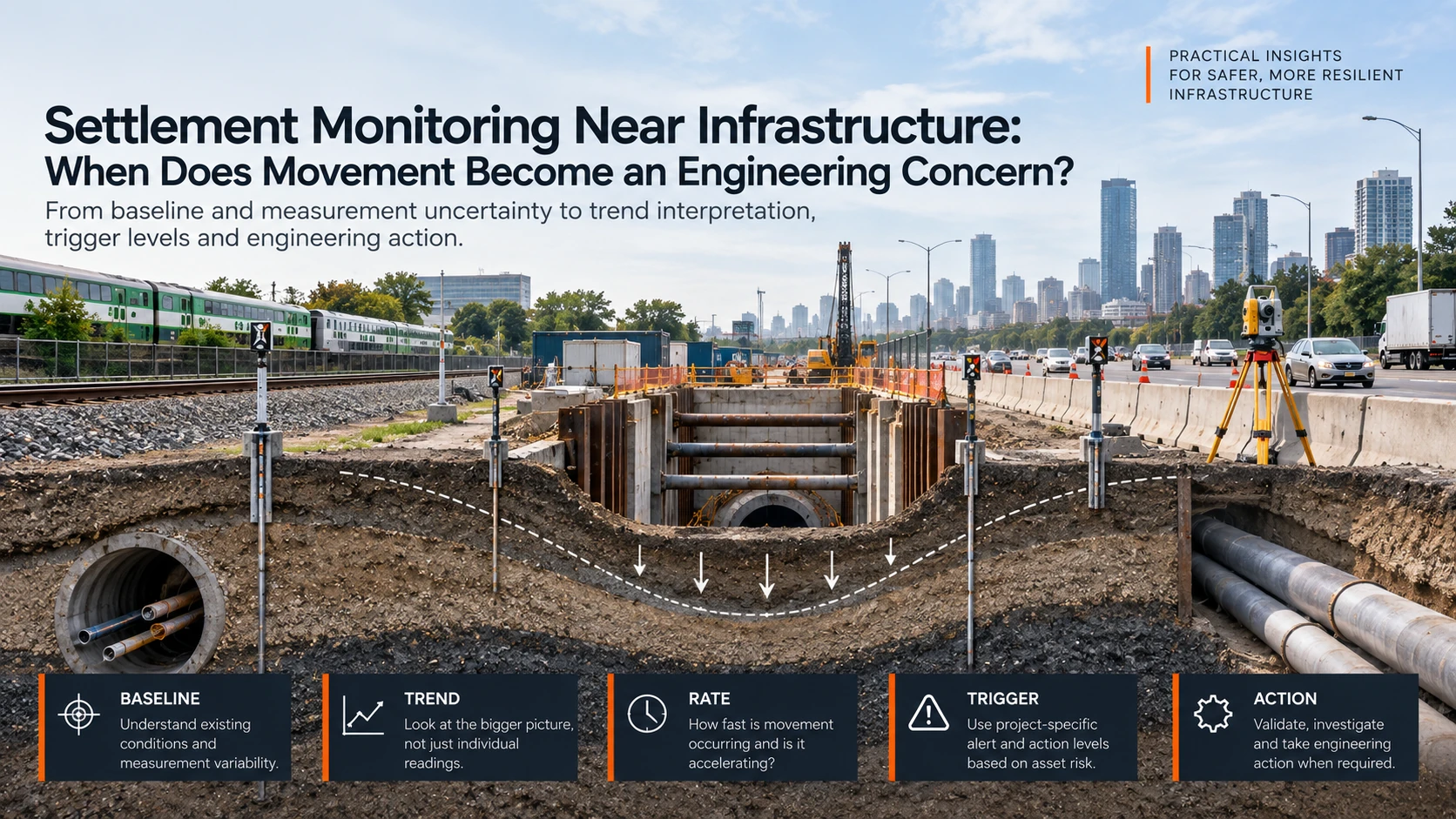
Settlement monitoring only becomes useful when the data are connected to asset performance, measurement uncertainty, movement rate and predefined engineering actions. This article explains how to establish reliable baselines, interpret trends, set project-specific trigger levels and respond to apparent exceedances near infrastructure.
Read insight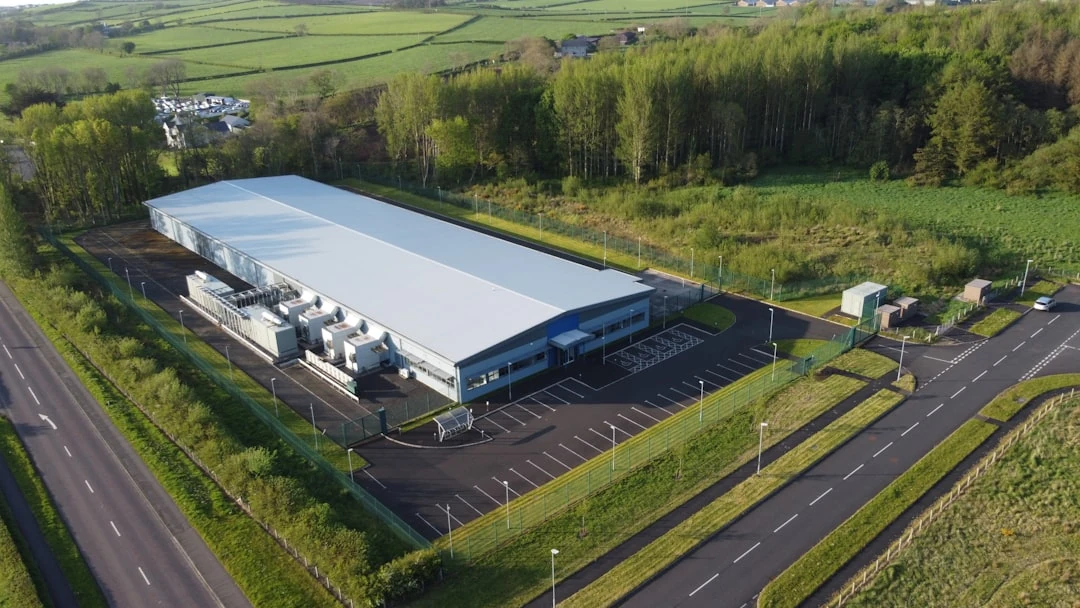
Data centres place demanding serviceability requirements on foundations, slabs and buried infrastructure. This article explains how settlement criteria, ground variability, foundation selection, ground improvement, construction control and monitoring should be integrated into a performance-based geotechnical strategy.
Read insight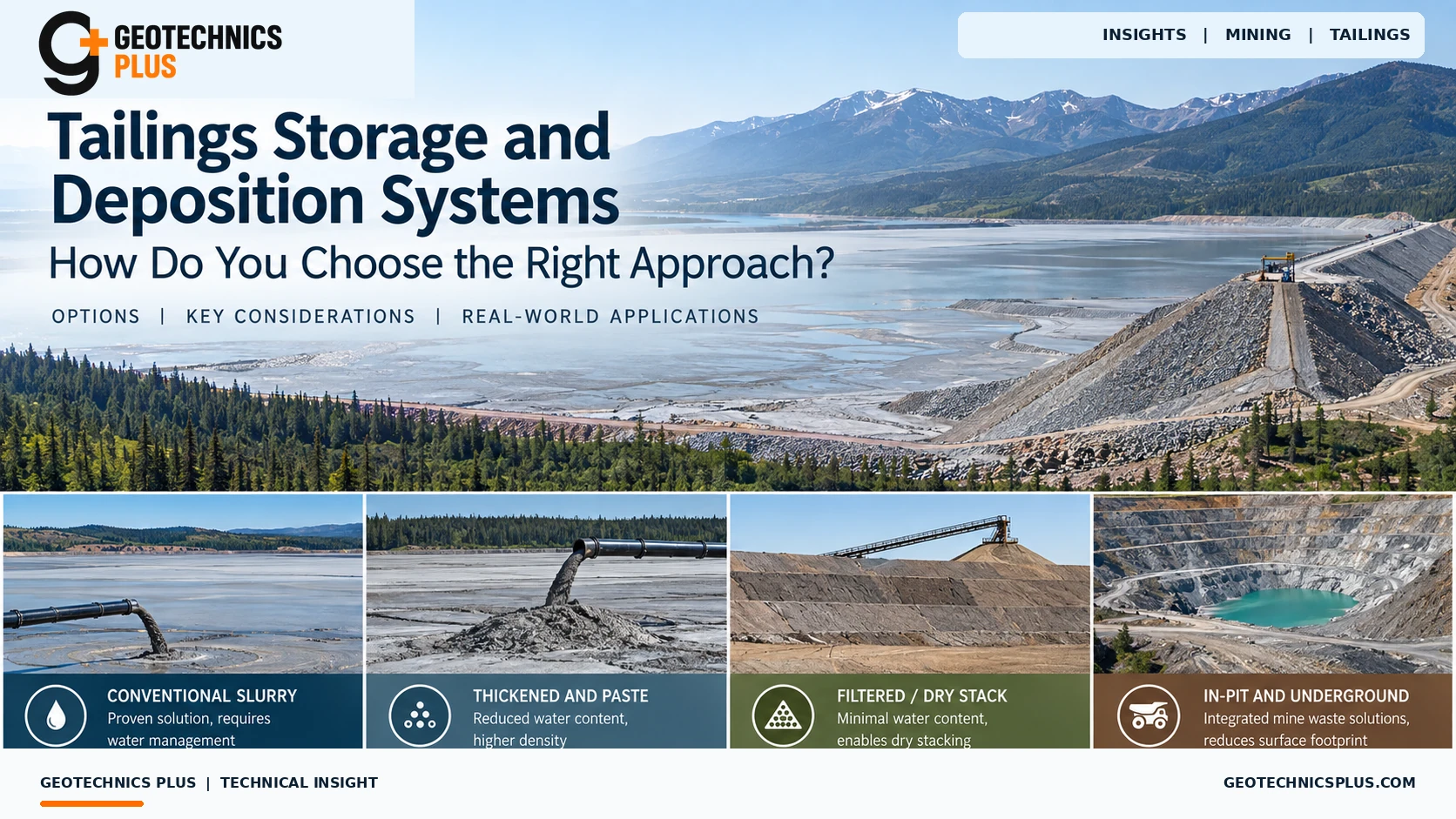
Tailings can be managed as conventional slurry, thickened, paste or filtered material and stored in impoundments, stacks, mined-out pits or integrated mine-waste systems. This practical guide explains the main options, how embankment raise methods differ, and which geotechnical, water, seismic, operational and closure factors should drive selection.
Read insight
Ports can use fundamentally different quay and berth systems—from blockwork gravity walls and caissons to sheet piles, combi-walls, diaphragm walls, relieving platforms and open piled berths. This practical guide compares the main systems, where each fits best, and the ground, dredging, deformation, loading, seismic, constructability and whole-life factors that should drive selection.
Read insight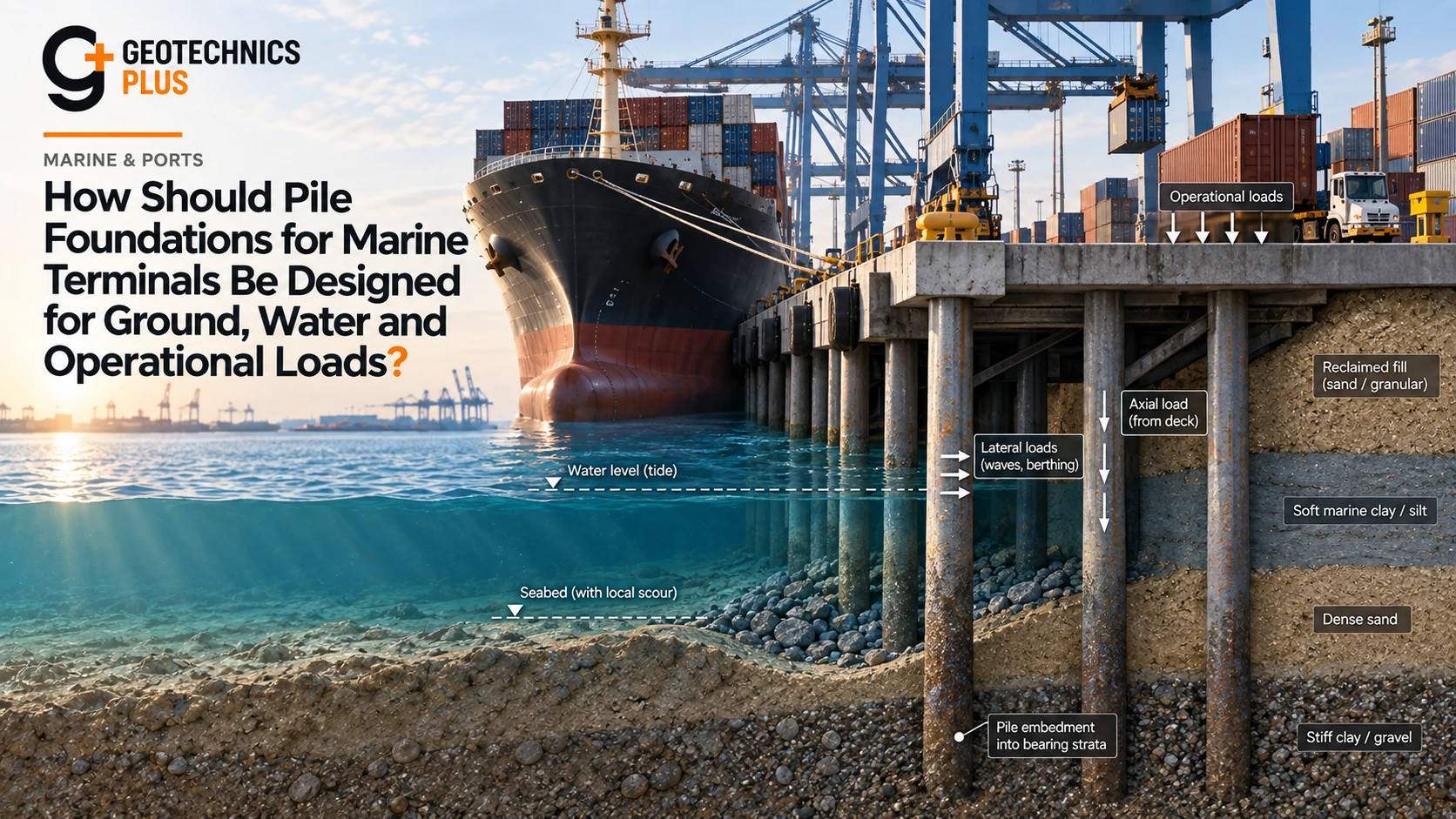
Marine terminal piles must do more than carry axial load. A practical geotechnical framework for assessing lateral response, scour, dredging, downdrag, pile-group interaction, cyclic loading, seismic deformation and construction effects.
Read insight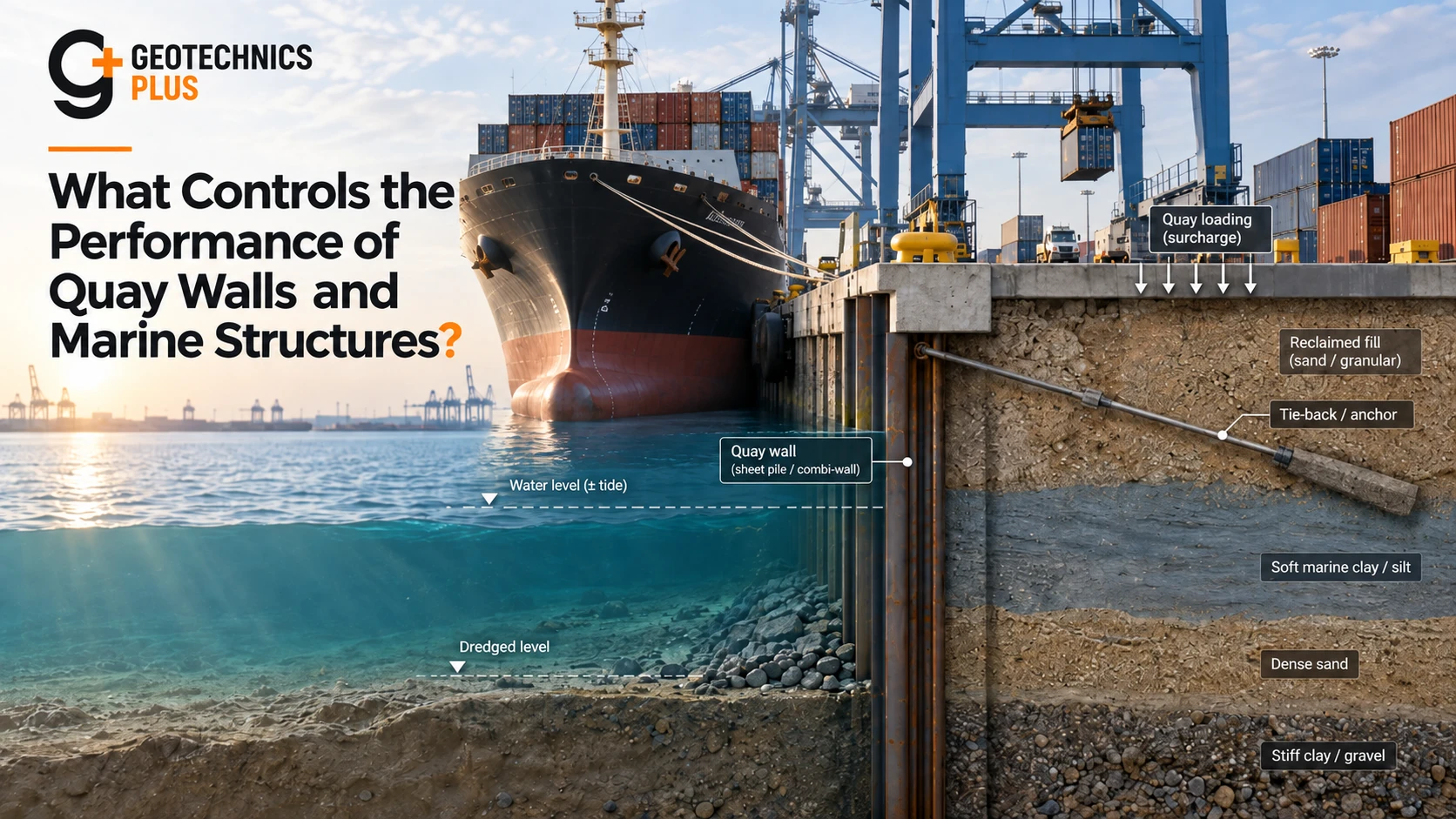
What really controls the performance of quay walls and marine structures? A practical geotechnical framework for understanding dredging, surcharge, water levels, soil–structure interaction, anchors, scour, seismic effects and construction-stage risk.
Read insight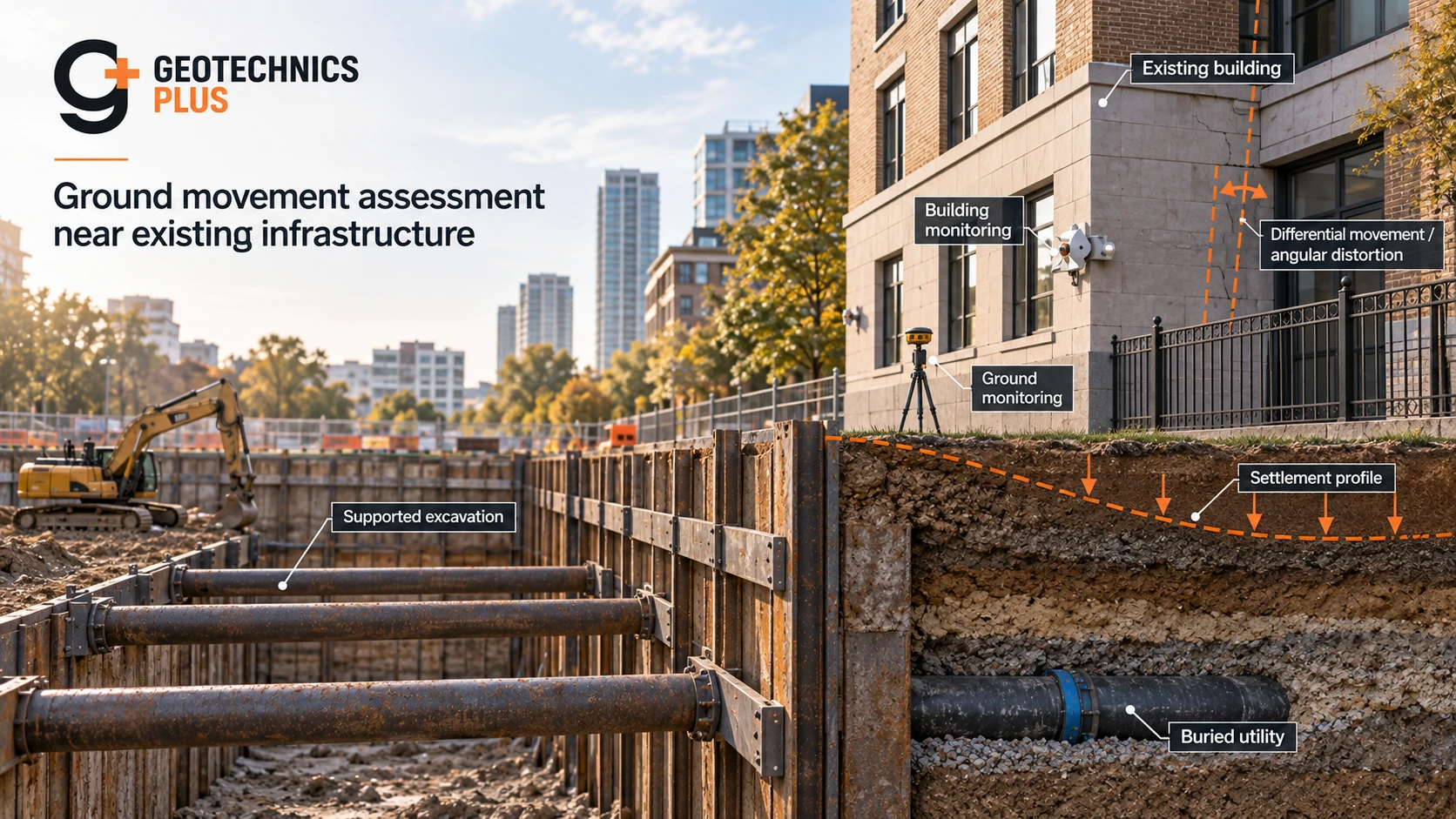
How should allowable ground movement be established near buildings, utilities, tunnels, bridges and other existing infrastructure? A practical geotechnical framework for linking predicted and measured movement to asset tolerance, consequence and construction response.
Read insight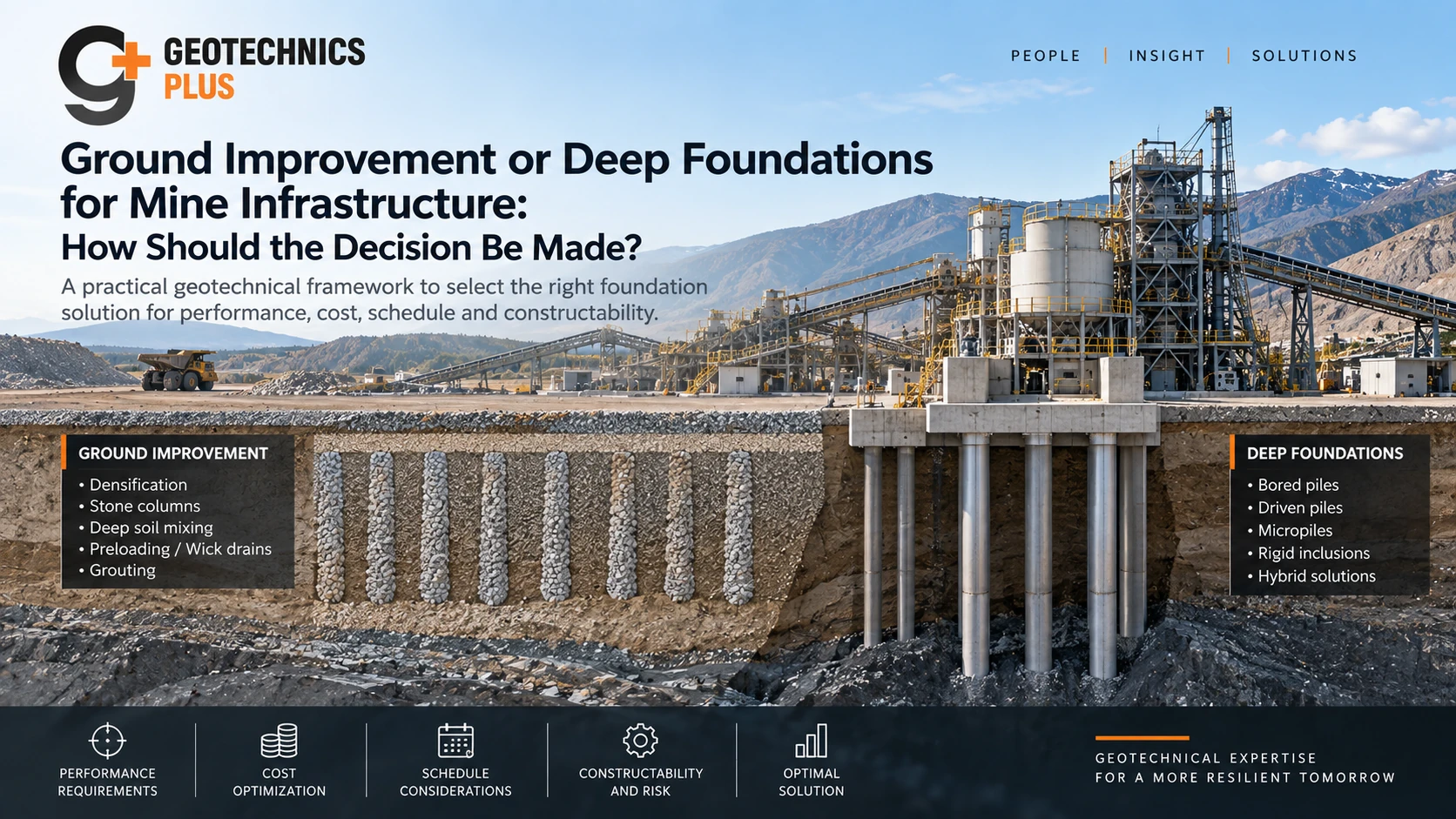
For heavy mine infrastructure, the foundation decision is often not simply shallow versus deep. Ground improvement can sometimes control settlement, reduce variability and support faster construction more efficiently than piling—but only when the ground mechanism, performance criteria and verification strategy are understood. This article presents a practical framework for deciding between ground improvement, deep foundations and hybrid solutions.
Read insight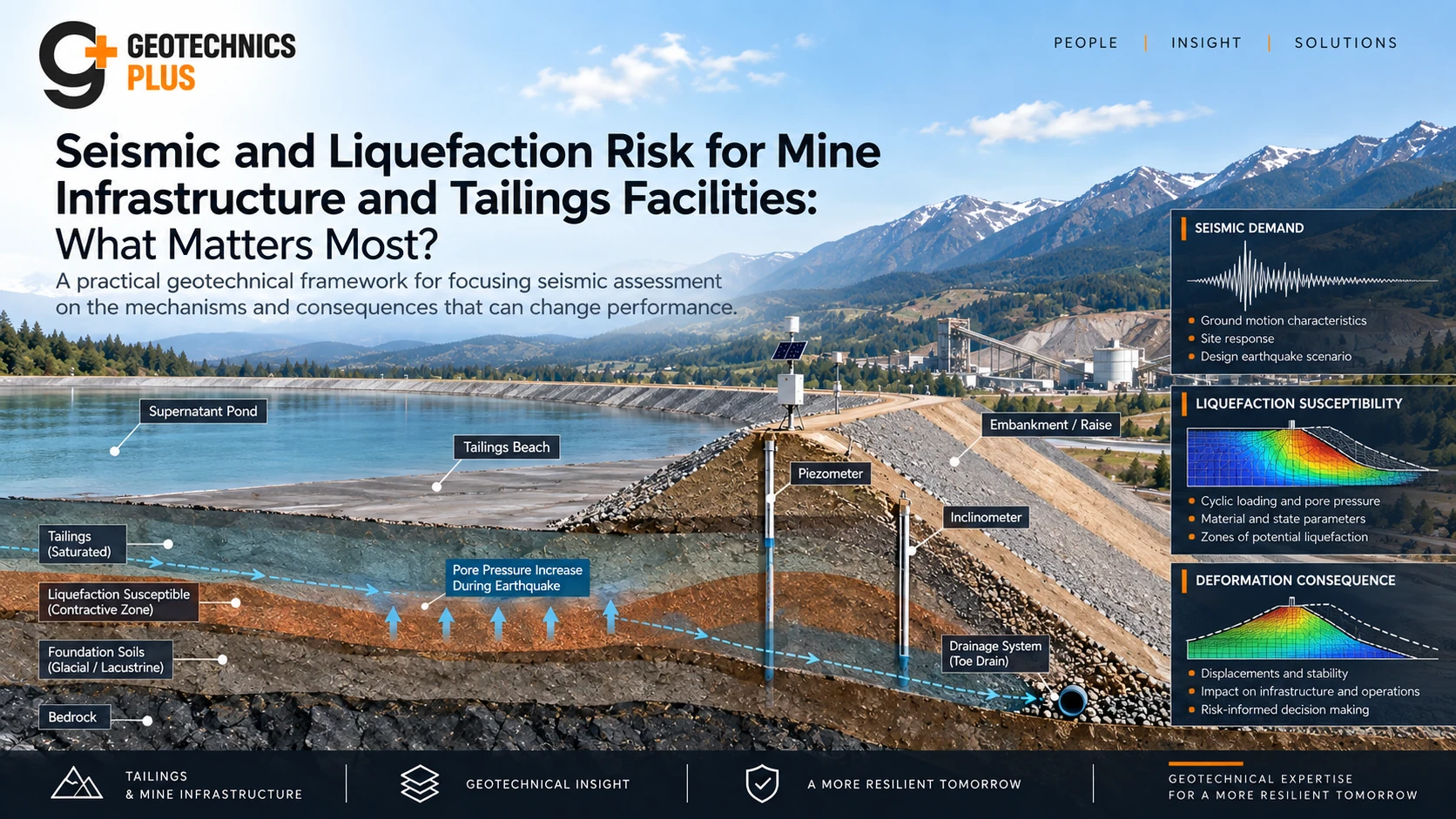
Seismic and liquefaction assessments for mine infrastructure and tailings facilities should focus on the mechanisms and consequences that can change performance—not just on a checklist-level hazard statement. This article outlines a practical framework for deciding what matters, when simplified methods are enough, and when deformation-based or advanced analysis is justified.
Read insight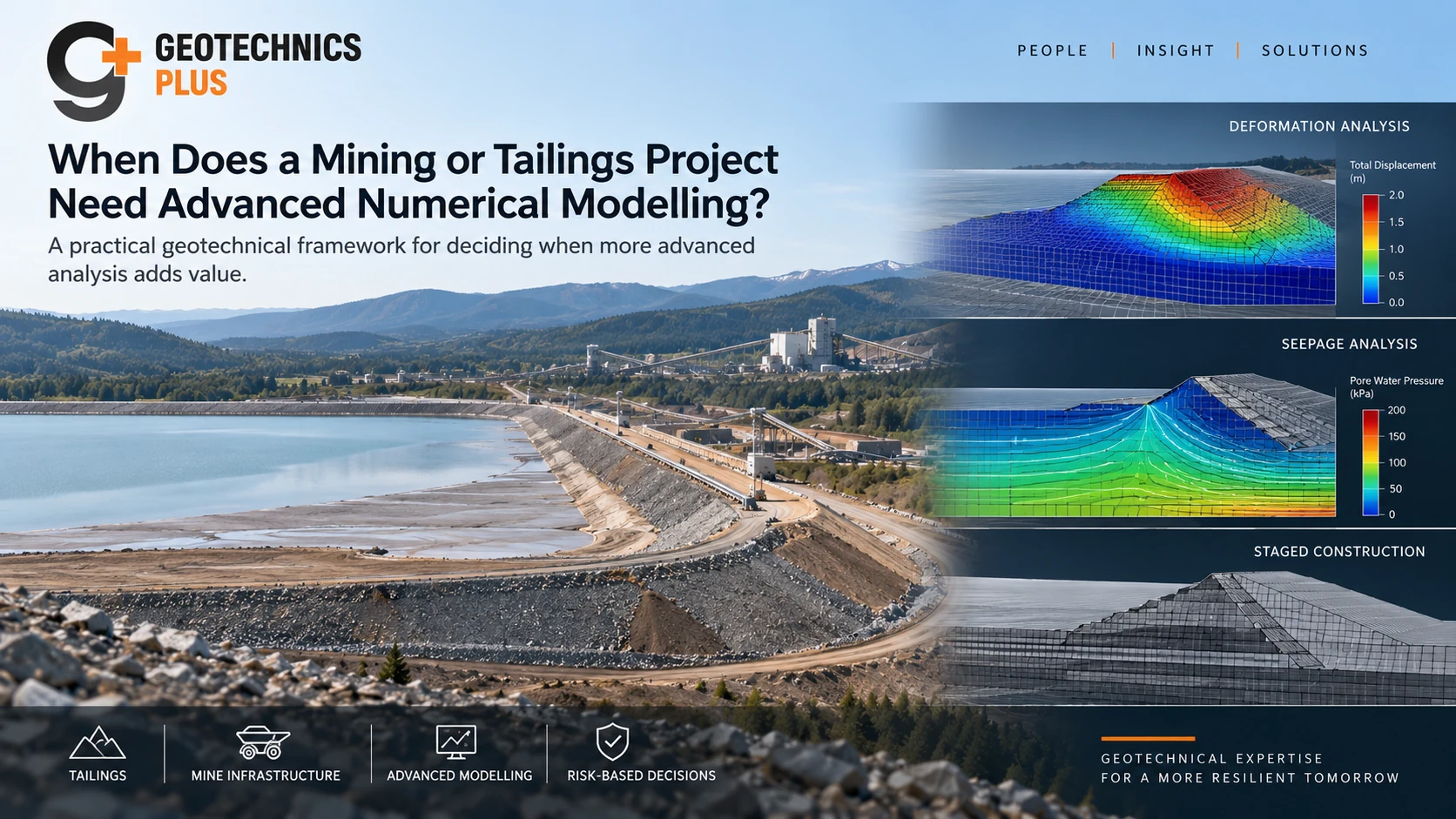
Advanced numerical modelling adds value when staged construction, complex deformation, seepage, seismic response or soil–structure interaction can materially change a mining or tailings decision. This article explains when sophisticated analysis is justified—and when better data matters more.
Read insight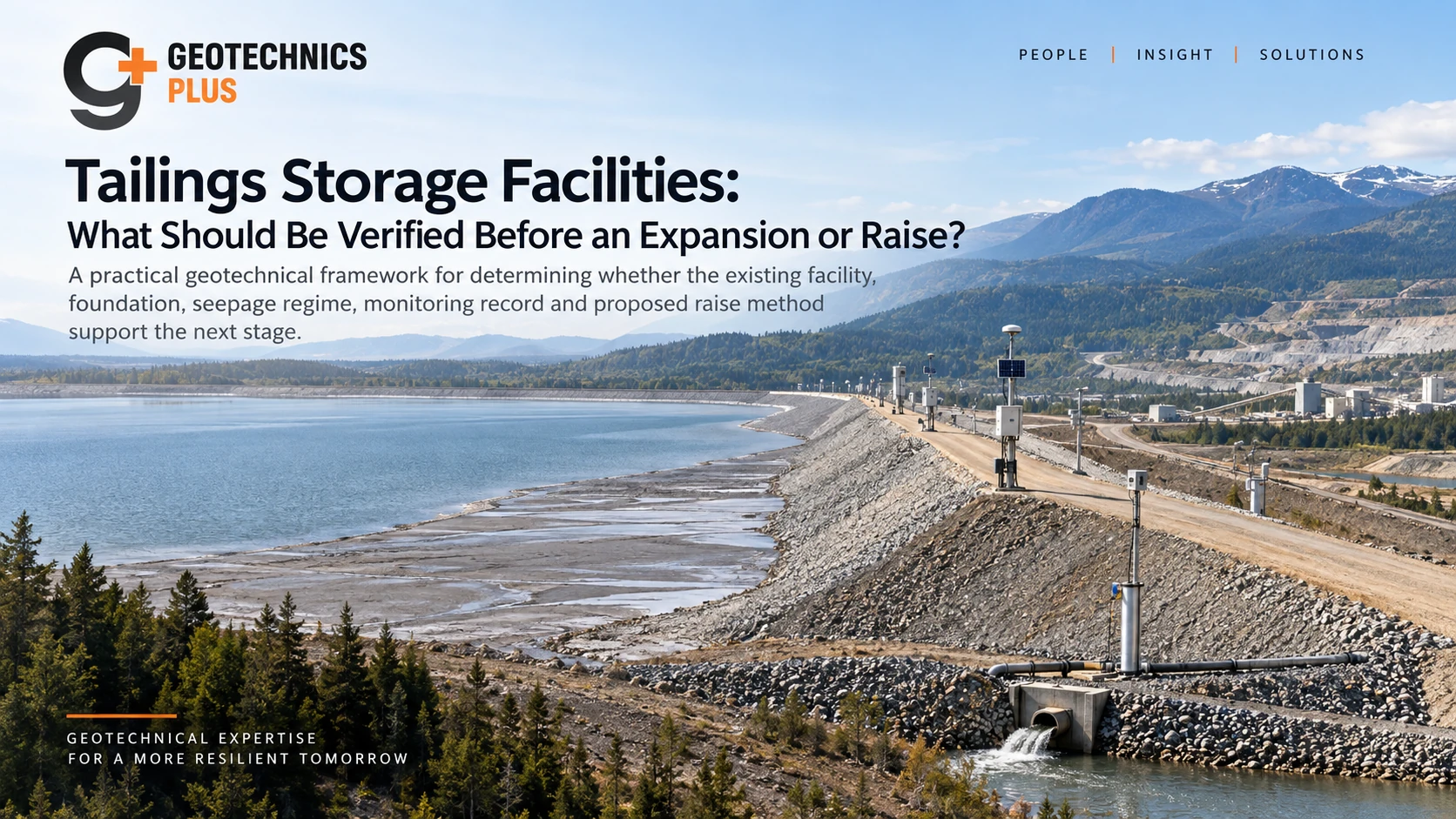
Before a tailings storage facility expansion or raise proceeds, the project team should verify whether the existing facility, foundation, seepage regime, monitoring record and proposed raise method support the next stage safely and defensibly. This article provides a practical geotechnical framework for that decision.
Read insight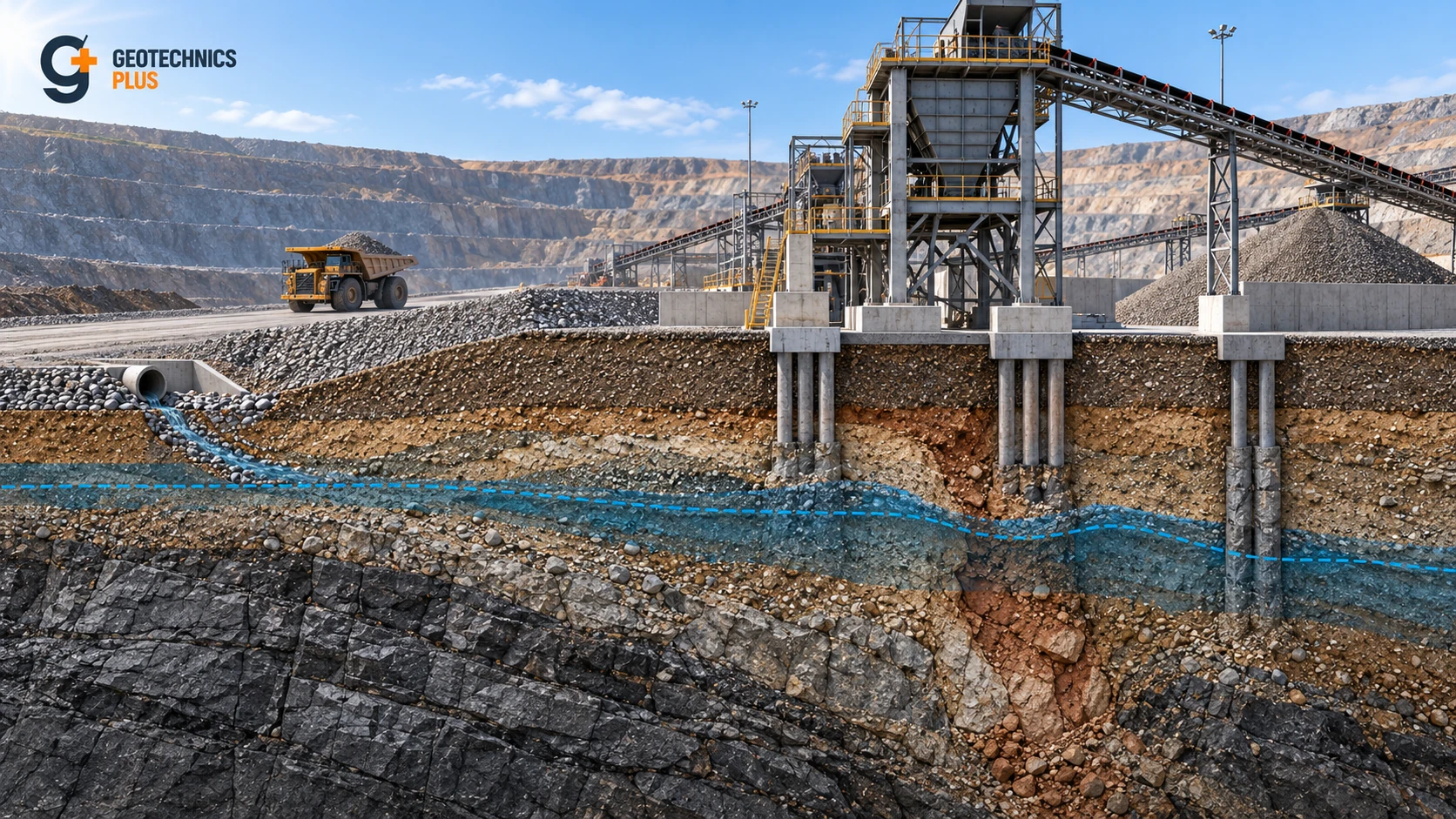
Mining projects concentrate geotechnical uncertainty across pits, process infrastructure, heavy foundations, earthworks, water management and mine-waste facilities. This article outlines the issues that should be resolved before construction—and how to decide where more investigation, analysis or specialist review adds the most value.
Read insight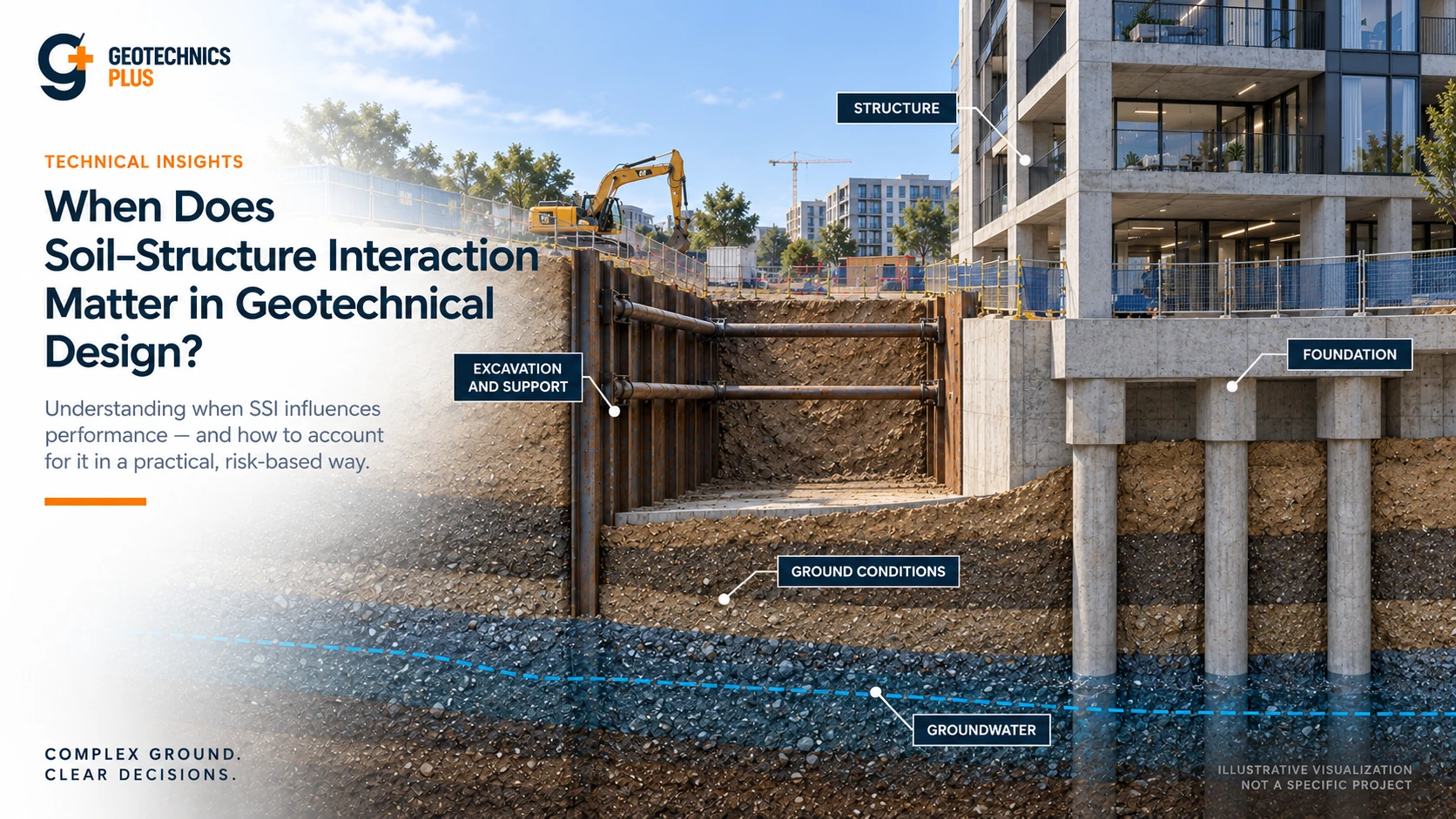
Soil–structure interaction matters when foundation movement changes structural demand, structural stiffness changes ground response, or imposed ground deformation controls performance. This article explains when simplified springs are enough—and when more advanced coupling is justified.
Read insight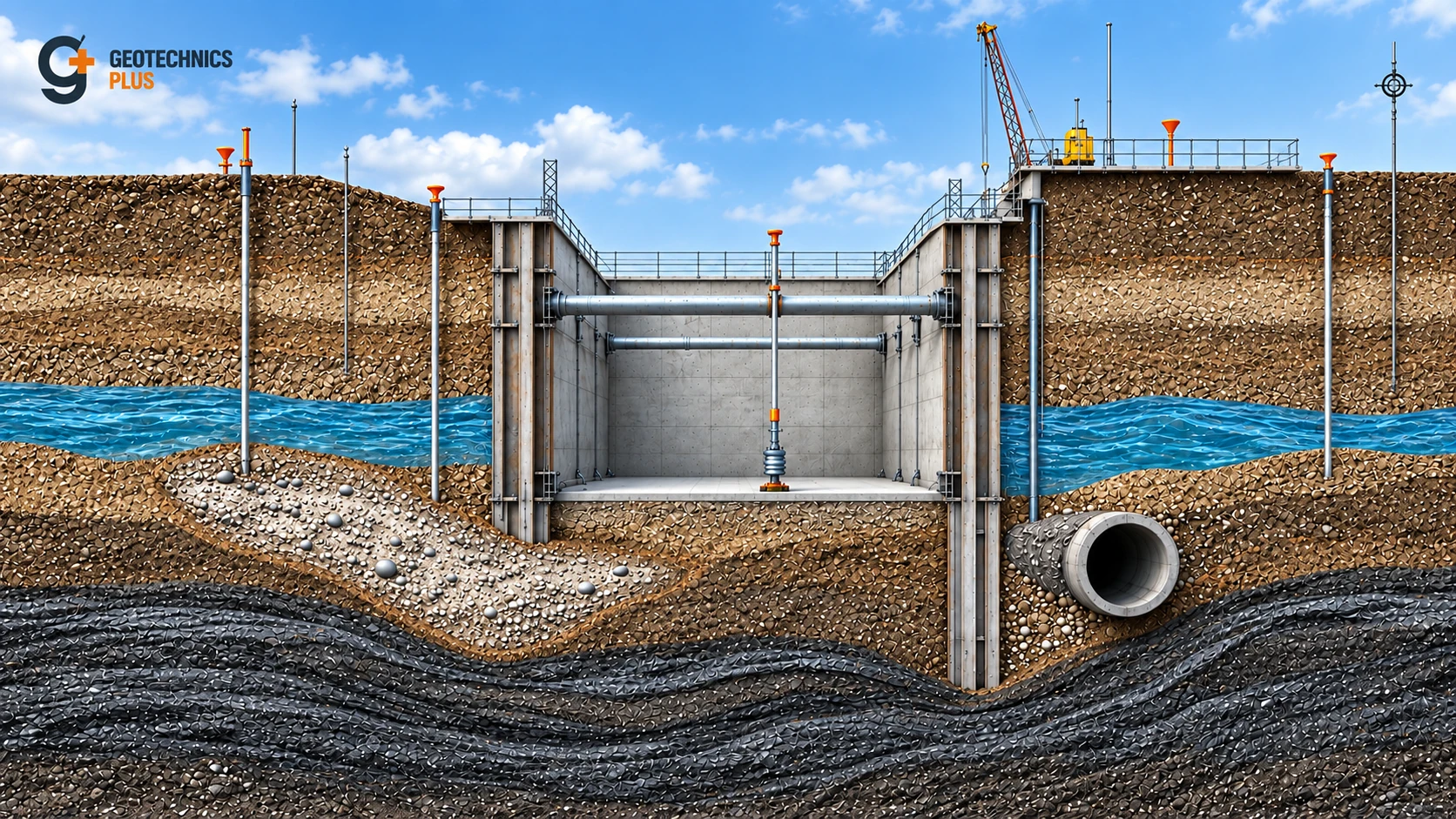
A practical geotechnical framework for verifying unexpected ground conditions, assessing consequence and uncertainty, and choosing a proportionate construction-stage response.
Read insight
A risk-based framework for deciding when independent geotechnical peer review adds value, what it should examine, and how to structure review around consequence, uncertainty and complexity.
Read insight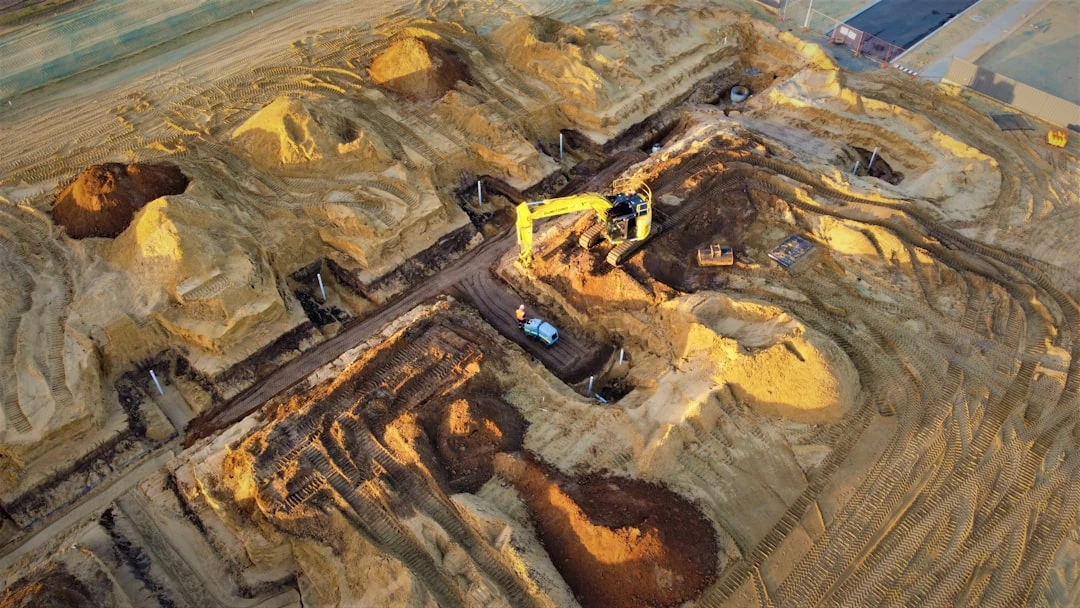
A decision-focused guide to when advanced numerical modelling adds value in geotechnical engineering, including staged construction, soil–structure interaction, seismic response and deformation.
Read insight